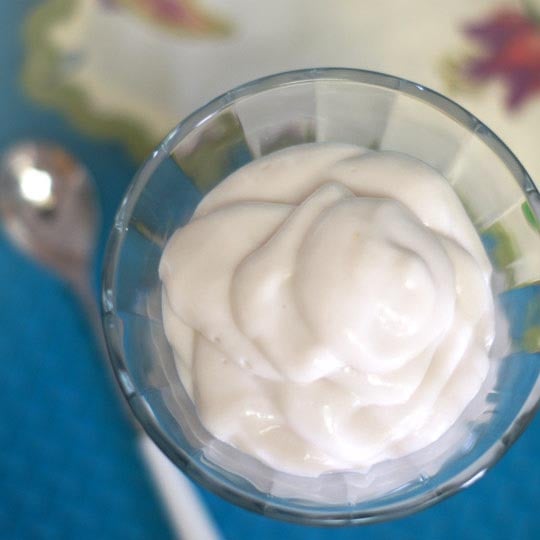
Whip Up Dairy-Free Coconut Pudding: Quick & Naturally Sweetened
Imagine a dessert that’s rich, velvety, and bursting with tropical flavor, yet incredibly easy to make, naturally sweetened, and completely dairy-free. This isn't a dream – it's the magic of
creamy coconut pudding two ways! Whether you're a long-time fan of coconut or looking for a refreshing new sweet treat, this recipe offers a delightful escape from conventional puddings. We're talking about a quick preparation that transforms simple, wholesome ingredients into an indulgent delight, perfect for any occasion. From the invigorating process of opening a fresh coconut to the final spoonful of a perfectly chilled dessert, get ready to dive into the world of homemade coconut pudding that’s both effortless and utterly satisfying.
The Magic of Fresh Coconuts: Unlocking Tropical Flavor
While convenience options abound, there’s an undeniable allure to using fresh young Thai coconuts. The water is incredibly refreshing, and the soft, jelly-like meat is unparalleled in flavor and texture, forming the ideal base for a truly authentic
dairy-free coconut pudding.
Unveiling Your Fresh Coconut: A Skillful Approach
Opening a fresh coconut might seem intimidating, but with a little technique and caution, it's quite manageable. Many enthusiasts, including myself, find a sturdy cleaver to be the most effective tool. The trick is to carefully whack around the "equator" of the coconut, rotating it as you go, until a "lid" starts to form. Always keep your non-dominant hand *behind your back* or at a safe distance to ensure all your fingers remain intact – safety first! Once a crack appears, use the cleaver as leverage to pry open the lid. While not a professional method, it certainly gets the job done and rewards you with pristine coconut water and tender meat.
For those who find the prospect daunting, fret not! Modern markets offer convenient alternatives. You can often find already-opened coconuts in the produce section, or ask a helpful produce manager to open one for you. Even easier, many health food stores, like Whole Foods, now stock frozen organic coconut meat and water, offering all the benefits without the effort.
Selecting the Perfect Coconut: Signs of Freshness
To ensure your pudding reaches peak deliciousness, selecting a good coconut is key. When purchasing whole coconuts, look for ones that feel heavy for their size and have no visible cracks or mold. Give it a gentle shake – you should hear liquid sloshing around inside. This indicates a good amount of water and likely, fresh meat.
Conversely, knowing the signs of spoilage can save you from a disappointing batch. A perfectly fresh coconut will yield pristine white meat and clear, slightly sweet water. Signs of a spoiled coconut can include:
- Green edges around the outer shell: While not always a definitive sign of internal spoilage, it can be an indicator.
- Pink-tinted coconut meat: This is a clear warning sign. The meat should be uniformly white.
- Sour-tasting coconut water: Fresh coconut water is subtly sweet and refreshing. If it tastes sour or fermented, discard it.
It's a good practice to buy at least two coconuts, as even the best selection can sometimes yield a less-than-perfect one inside.
Crafting Your Creamy Coconut Pudding: Two Irresistible Flavors
With your fresh coconut meat (or its convenient frozen counterpart) ready, it’s time to transform it into an incredibly
creamy coconut pudding two ways. The beauty of this dessert lies in its simplicity and the ability to customize its flavor profile. Both variations are naturally sweetened, ensuring a guilt-free indulgence that's ready in minutes.
Classic Vanilla Dream
The vanilla version is a timeless favorite for a reason. Its elegance lies in showcasing the pure, delicate flavor of coconut, perfectly complemented by a hint of aromatic vanilla.
To create this classic, you’ll blend the fresh coconut meat with some of its water (or filtered water/non-dairy milk), a touch of pure vanilla extract, and your natural sweetener of choice. Maple syrup, agave, or even a few pitted dates work beautifully to achieve the perfect level of sweetness without refined sugars. Blend until utterly smooth and velvety, then chill until firm.
The result is a light, fragrant pudding that's surprisingly satisfying. Serve it chilled, perhaps garnished with a sprinkle of toasted coconut flakes or a handful of fresh berries for added color and texture. Its simplicity makes it a sophisticated ending to any meal.
Decadent Chocolate Indulgence
For the chocolate lovers, this variation will transport you back to childhood, but without the sugar overload and preservatives of boxed mixes. This chocolate
creamy coconut pudding delivers deep, rich flavor that perfectly balances the tropical notes of the coconut.
To make this decadent treat, simply add unsweetened cocoa powder to the vanilla base ingredients before blending. Adjust the amount of cocoa to your preference – a little goes a long way for a subtle chocolate hint, while more will yield a truly intense experience. Again, sweeten naturally.
The resulting pudding is wonderfully rich and velvety, reminiscent of a gourmet chocolate mousse. Garnish with chocolate shavings, a dollop of dairy-free whipped cream, or a few raspberries for a delightful contrast. This is proof that healthy and delicious can coexist beautifully!
Beyond Flavor: Exploring Texture & Versatility
While we've focused on two delightful flavor variations, the world of coconut pudding extends further, particularly when it comes to texture. The inherent richness of coconut milk, with its natural fats, provides an incredibly smooth and velvety base that sets it apart from traditional dairy puddings. It’s lighter, more fragrant, and utterly refreshing when chilled.
The choice of thickener plays a pivotal role in the final consistency of your pudding. Depending on your preference or dietary needs, you can achieve different results:
- Corn Flour (or Cornstarch): This is a popular choice for a soft, spoonable pudding that has a creamy, classic consistency. It’s easy to work with and yields a wonderfully smooth result.
- Gelatin: If you're looking for a firmer pudding that holds its shape and can be sliced, gelatin is your go-to. It creates a dessert with more structure, perfect for a chilled treat.
- Agar-Agar: For a completely plant-based option that creates a light, slightly bouncy texture, agar-agar is ideal. Derived from seaweed, it’s the perfect vegan alternative to gelatin, ensuring your pudding remains entirely dairy-free and animal-product free.
Exploring these different thickeners opens up a world of possibilities for your
dairy-free coconut pudding. To dive deeper into how these thickeners can transform your dessert, check out
Master Coconut Pudding: Pick Your Perfect Creamy Texture 3 Ways.
The versatility of coconut pudding isn't just about texture or flavor; it's also deeply rooted in culinary traditions worldwide. Many cultures feature similar coconut-based desserts, such as the Filipino Maja Blanca or various Thai coconut jellies, demonstrating how a simple idea can transcend borders and taste palettes. This rich heritage further underscores the universal appeal of this tropical delight. For more variations beyond these two, explore
Delicious Dairy-Free Coconut Pudding: Explore 3 Creamy Variations.
Tips for Your Best Dairy-Free Coconut Pudding
To ensure every batch of your
naturally sweetened coconut pudding is a success, here are a few expert tips:
- Sweetener Savvy: Beyond maple syrup and dates, consider natural liquid sweeteners like agave nectar or even a touch of stevia if you're mindful of sugar intake. Always taste and adjust to your preference.
- Blending for Perfection: For the smoothest possible pudding, use a high-speed blender. Blend until absolutely no bits of coconut meat remain, ensuring that velvety texture you desire.
- Chill Factor: Coconut pudding needs time to set and fully develop its flavors. Allow at least 2-4 hours in the refrigerator, or even overnight, for the best results.
- Garnish Galore: Elevate your pudding with simple garnishes. Think fresh fruit (mango, pineapple, berries), toasted shredded coconut, a sprinkle of cacao nibs, a mint sprig, or a drizzle of dairy-free chocolate sauce.
- Storage: Store your dairy-free coconut pudding in an airtight container in the refrigerator for up to 3-4 days. It makes for a fantastic make-ahead dessert or snack!
- Troubleshooting Thin Pudding: If your pudding doesn't thicken as much as you'd like (especially if using only fresh coconut meat and water without a thickener), you can gently heat it on the stovetop over low heat with a small amount of cornstarch slurry (cornstarch mixed with a little cold water) and whisk until thickened. Then re-chill.
This quick and naturally sweetened
creamy coconut pudding two ways isn't just a recipe; it's an invitation to explore the delightful world of dairy-free desserts. Whether you opt for the subtle elegance of vanilla or the rich indulgence of chocolate, you're guaranteed a treat that's both wholesome and incredibly satisfying. So, gather your coconuts – fresh or frozen – and prepare to whip up a tropical escape right in your own kitchen!